
Explore essential guidelines for breastfeeding medication safety, including the role of CYP450 genetics in drug…
Why Does Alcohol Make Me Sleepy? Exploring the Science
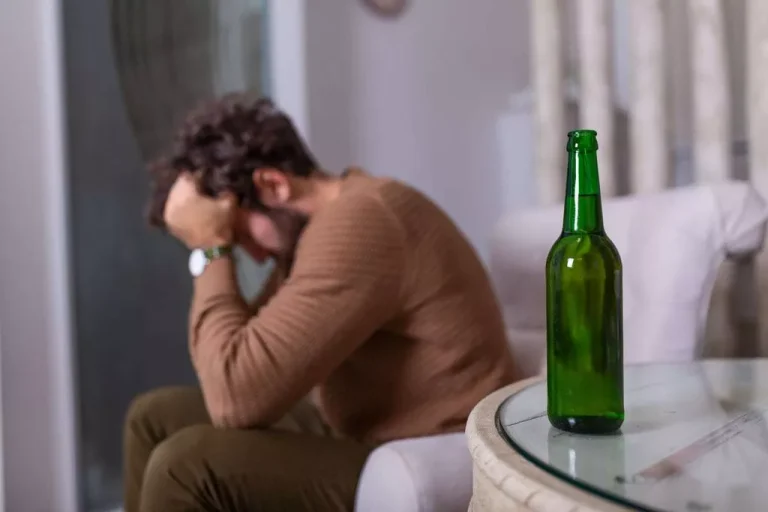
While drinking alcohol before bedtime may help you feel relaxed and sleepy, enjoying a nightcap puts you at risk of experiencing repeated wakings and low-quality sleep later in the night. Instead of deep, restful sleep, you’re more likely to find nighttime awakenings, lower sleep quality, and reduced sleep efficiency at the bottom of your glass. And while you might think that a glass or two to take the edge off the day can’t hurt, you should know that it doesn’t take much alcohol to change your sleep patterns and harm your health.
Sleep Health
- With sustained sobriety, sleep architecture gradually returns to healthier patterns, enhancing overall well-being.
- Side effects often include daytime drowsiness, dizziness, diarrhea, and more.
- Contact us today to see how we can help you or your loved one begin recovery.
- While every person’s individual sleep cycle varies, it’s generally true that each of us goes through four to six rounds of it.
- You may experience your most severe sleep disturbances in the first week, but most people find that it eases up with time.
- In general, symptoms are the worst in the first few days of alcohol detox,3 and usually improve over the course of the next few weeks.
Briefer periods of sleep disturbance are most often stress-related or due to acute illness (4). Substance use problems underlie approximately 10–15% of chronic insomnia (7). Of adult Americans, as many as 70% drink alcohol, and half of these experience an alcohol-related problem at some point in their lives. These problems are likely to be more prevalent among the 10% of Americans who https://ecosoberhouse.com/ drink alcohol daily (8,9). Once your brain and body have gotten used to the regular presence of alcohol, you’re alcohol-dependent.
- Remember, these are averages based on research and does not apply uniformly to every individual experiencing insomnia after quitting alcohol.
- If you’re turning to alcohol to help you sleep, you may be making the quality of your sleep worse.
- In other words, it can cause your body to dispel an extra measure of liquid.
- Staring at the clock while you are trying to fall asleep can be very counterproductive as it can increase stress and anxiety levels, making it more difficult to fall asleep.
Beverages To Avoid to Sleep Soundly While Traveling
Relaxation of muscles in your tongue and the back of your throat can make your tongue fall back into your airway while sleeping, causing obstructive sleep apnea (OSA). Alcohol affects sleep in many ways, impacting the body’s ability to get deep sleep and disrupting the process that helps maintain normal sleep. While alcohol might help you get to sleep more easily, it ultimately keeps you from getting deep, restorative sleep, making you feel more tired instead of more rested. Have you ever used alcohol to help you sleep, only to notice that you don’t feel well-rested when you get up the following day? Or have you ever woken up after a night of drinking, still feeling groggy? While alcohol may seem to make it easier to sleep, it actually disrupts sleep and makes you more tired.
Alcohol and Sleep
As a result, you may wake up during the night feeling thirsty or needing to use the bathroom more often. These disruptions affect the quality of your sleep, leaving you feeling tired and groggy in the morning. Individuals working night shifts or with irregular sleep schedules may be more susceptible. Alcohol may seem like a quick fix to help them sleep, but the long-term consequences outweigh the short-term benefits. Stress and anxiety, common among those who use alcohol to relax, can further worsen sleep problems. Have you ever woken yourself up snoring after an evening cocktail or insomnia after drinking two?
Opioid Detox Centers in Georgia
- Initially, alcohol may cause sedation, but as it is metabolized, it leads to fragmented sleep and frequent awakenings.
- Overall, an accurate clinical history is a better indicator of alcohol-related insomnia.
- Also, those who manage to adopt a healthier regime, post-alcohol detox tend to see improvements sooner.
- If you do not have an alcohol use disorder (AUD), here are some steps you should take.
Sleep disorders like insomnia can co-occur with alcohol abuse, and treating insomnia can improve a person’s sleep quality while in recovery. Some individuals may want to reach out to a medical provider to assess whether or not they have a preexisting condition and seek appropriate treatment. Anestimated 10 million people consult health care practitioners for sleep disorders and of these, half receive prescriptions for sleep medications (4). For those patients with chronic insomnia who have an underlying problem of alcohol abuse, clinicians need to prescribe particularly carefully (78). Alcohol exacerbates sleep-related breathing disorders, and the two to four percent of Americans with OSA are particularly susceptible. The combination of OSA and alcohol increases a person’s risk of heart attack, stroke and sudden death (64).
- Chronic alcohol use can worsen insomnia, making it a persistent issue even after stopping alcohol consumption.
- Calls to any general helpline will be received by The Healing Place, a paid advertiser.
- These findings contrast with lack of REM sleep abnormalities reported in 2 other studies, as compared to healthy control subjects (Williams and Rundell, 1981, Schiavi et al., 1995).
- Treatment for this condition includes sleep restriction, cognitive behavioral therapy, and more.
- All in all, drinking could reduce the quality of sleep you get each night, even if it seems to help you fall asleep faster.
- The circadian rhythm is your body’s internal clock, which helps you feel awake during daylight hours and sleepy at night.
- Having a nightcap to top off your day can seem helpful—at least at first—because alcohol has a way of making you feel calm, drowsy, and at ease.
Sleep disruptions from alcohol consumption can harm your overall health and well-being. Yet, much of this workforce faces setbacks while on this sobriety track. One particular problem is insomnia after quitting drinking, including insomnia, and this can drastically impair physical and psychological well-being. While adenosine drug addiction treatment may help you get to sleep more quickly, artificially elevated levels of adenosine can disrupt the quality of your sleep while alcohol is in your system.

Reduced REM sleep has a negative impact on cognitive function and mental health. As the night progresses and the alcohol is metabolised, the sedative effect wears off resulting in frequent awakenings and difficulty returning to sleep. Recognising the link between alcohol and sleep apnea is key to managing the condition effectively. In this article we will explore the physiological effects of drinking alcohol and how it can cause sleep apnea episodes to worsen. Combining alcohol with sleep aids (prescription or over-the-counter) can compound sedative effects and lead to dangerous breathing difficulties or excessive drowsiness.

 SHEN TECHNOLOGY, INDIA
This Post Has 0 Comments